
Centre for Applied Dementia Research
Young Onset Dementia: When Life Changes Earlier Than Expected
For many people, dementia is something that happens
in older age and begins with memory loss. But what if
the first signs appeared in your 40s or 50s?
What if they were not forgetting names or misplacing keys, but experiencing changes in behaviour, facing difficulties at work or finding it hard to make everyday decisions?
Young Onset Dementia (YOD) is often overlooked because its early symptoms can resemble stress, anxiety, burnout or other health conditions. As a result, many people spend years searching for answers before receiving the correct diagnosis (Loi et al., 2023).
Darren was one of those people.
He came to Perth looking for a fresh start. Instead, he found himself facing challenges he could not explain. He struggled to remember important information, found it difficult to learn new things and increasingly felt that his mind was not working the way it once had. Like many people living with YOD, he did not initially recognise these changes as symptoms of a neurological condition (Aquino, 2026).

Today, Darren’s story reminds us that dementia does not only affect older people. Across Australia, thousands of people are diagnosed with dementia before the age of 65, often while they are working, raising families and planning for the future. Yet awareness of YOD remains limited, meaning that many people experience uncertainty, delayed diagnosis and difficulty accessing appropriate support (Aquino, 2026; AIHW, 2025; Loi et al., 2023).
Brain health is shaped by the choices we make throughout life. Although YOD cannot always be prevented, healthy lifestyle habits such as staying
active, eating well, maintaining social connections and looking after mental wellbeing can support brain health and may help reduce dementia risk (Brodaty et al., 2025; Livingston et al., 2024).
Understanding YOD is the first step towards ensuring that people and families receive the information, care and support they need.
“I’m Too Young for Dementia” …
Or Am I?
YOD refers to any form of dementia where symptoms begin before the age of 65. It is not a single disease, but an umbrella term that includes conditions such as Alzheimer’s disease, frontotemporal dementia, vascular dementia and dementia with Lewy bodies (Loi et al., 2023).
Many people associate dementia with forgetting names or misplacing keys.
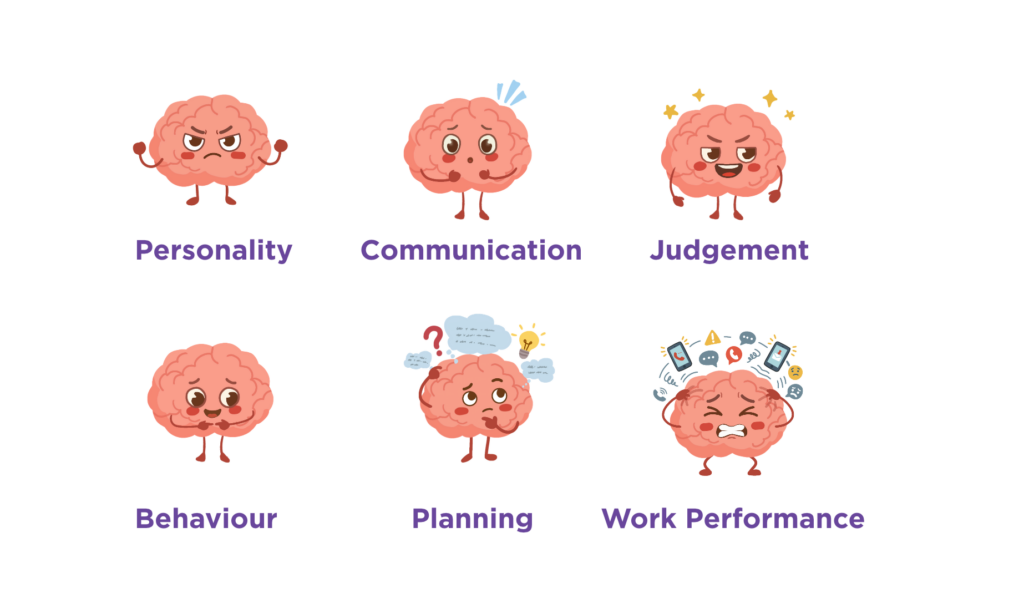
While memory problems can occur, YOD often begins in different ways. Some people first notice changes in personality, communication, judgement, behaviour, planning or work performance. Family members may recognise that something has changed long before anyone suspects dementia.
First changes can include, but are not limited to:
Because these symptoms can resemble depression, anxiety, burnout or other health conditions, diagnosis is often delayed. Research shows that many people with YOD spend several years seeking answers before receiving an accurate diagnosis (Loi et al., 2023).
Understanding that dementia can affect younger adults, and that this can cause loss of interest in activities they enjoy, can help people seek support earlier and access the right care sooner.
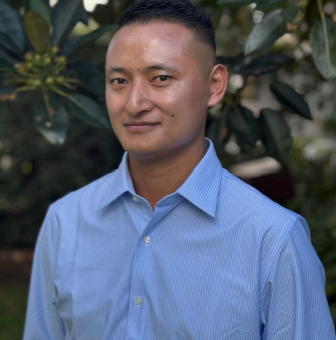
Sonam Tenzin
Team Leader, The Dementia Foundation
“Over the past two years, I have had the privilege of supporting Darren, who was diagnosed with YOD. In the early stages, Darren frequently attempted to abscond and found it difficult to engage in personal care routines. Today, he feels settled, enjoys his daily routines and is comfortable with personal care.”
How Is YOD Different from
Age Related Dementia?
Although dementia affects people of all ages, its impact is often very different for younger adults.
A person diagnosed in their 50s may still be working full-time, supporting children, paying a mortgage or caring for aged parents. When symptoms begin to interfere with daily life, the consequences can extend far beyond health.
Employment is often one of the first areas affected. People may reduce their hours, leave work earlier than planned, or struggle to maintain roles they have held successfully for many years. Families can experience financial pressure at the same time as coping with uncertainty and emotional stress.
The recent Joint Solutions YOD Project highlighted many of these challenges. Families reported difficulties accessing age appropriate services, finding specialised support, navigating complex systems and managing the emotional impact of diagnosis. Social isolation, delayed diagnosis and a lack of awareness were recurring themes throughout the report (Blackwood et al., 2025).
Unlike older adults, younger people with dementia are also more likely to have dependent children. For many families, one of the most difficult tasks is helping children understand what is happening to a parent they love.
Young Onset Dementia:
A Growing Issue in Australia
YOD is less common than older onset dementia (diagnosed at or after the age of 65), but it is not rare. A global systematic review estimated that around 3.9 million people aged 30 to 64 are living with YOD worldwide, equal to about 119 people for every 100,000 people in this age group (Hendriks et al., 2021).
The Australian Institute of Health and Welfare estimated that about 29,200 people aged 30 to 64 were living with dementia in 2024. This included approximately 13,400 men and 15,800 women. People with younger onset dementia accounted for around 6.9% of all Australians living with dementia in 2024 (AIHW, 2025).
The number is expected to rise. By 2065, AIHW projects that the number of Australians living with younger onset dementia will increase by 44%, reaching nearly 42,000 people (Figure 1) (AIHW, 2025). This rise may reflect population growth, improved recognition and increasing awareness that dementia can occur before the age of 65.
Most younger people with dementia continue to live in the community. AIHW estimated that in 2022, around 95% of people with younger onset dementia lived in the community rather than in cared accommodation (AIHW, 2025). This highlights the importance of practical, local and community based support.
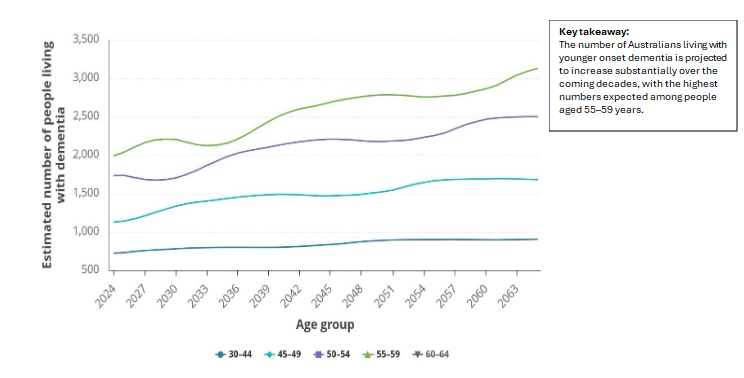
Figure 1. Estimated number of Australians living with younger onset dementia by age group, 2024–2065. The number of people living with YOD is projected to increase across all age groups, particularly among people aged 55–59 years (AIHW, 2025). Note. Adapted from Dementia in Australia: Population health impacts of younger onset dementia (AIHW, 2025).
Why are more people
being diagnosed?
While it is difficult to determine whether dementia itself is becoming more common, growing awareness of YOD and improvements in diagnostic practices mean that more people are being recognised and diagnosed than in the past. Increased public awareness and better understanding of symptoms may help people
seek assessment and support earlier (Loi et al., 2023). At the same time, the number of Australians living with younger onset dementia is projected to increase substantially over coming decades, highlighting the growing need for awareness, support and specialised services (AIHW, 2025).
What Does Research Tell Us About Prevention?
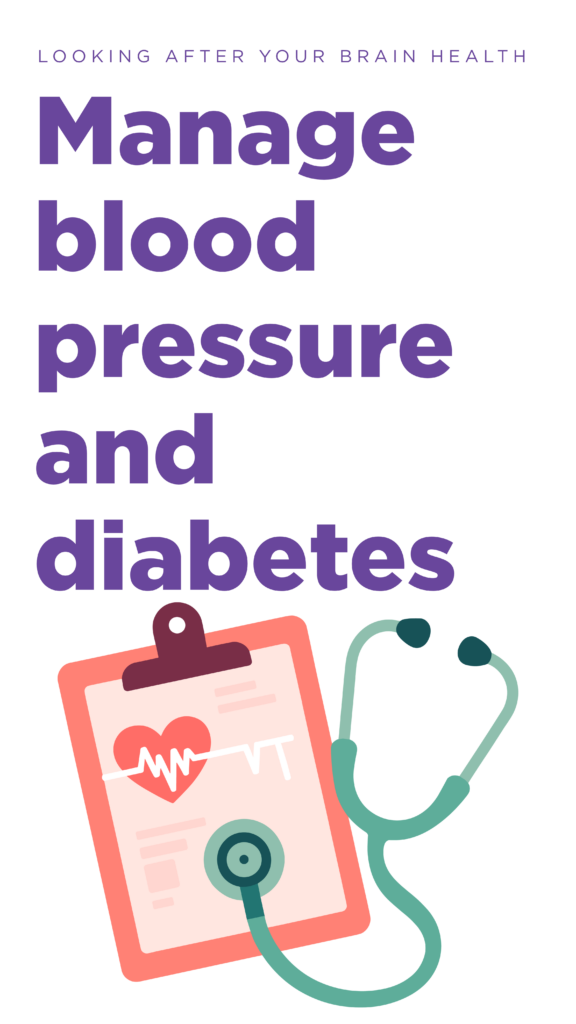
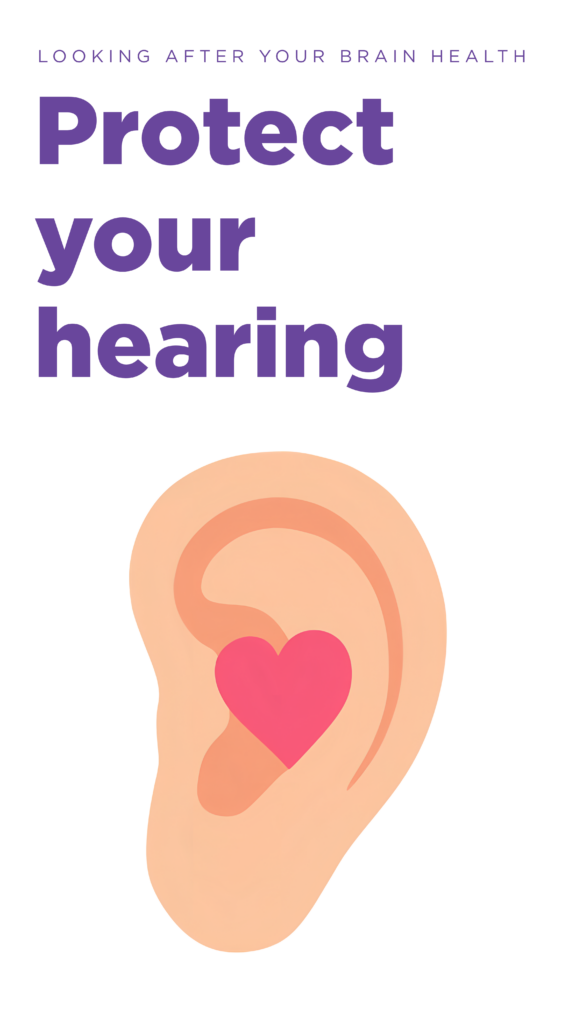
Research led by Professor Henry Brodaty suggests that brain health is supported by a multidomain lifestyle approach rather than a single action. Combining physical activity, healthy nutrition, cognitive activity and support for mental wellbeing can improve cognitive function and support brain health (Brodaty et al., 2025). The 2024 Lancet Commission identified several modifiable risk factors for dementia, including hearing loss, smoking, physical inactivity, high blood pressure, diabetes, depression and social isolation (Livingston et al., 2024).
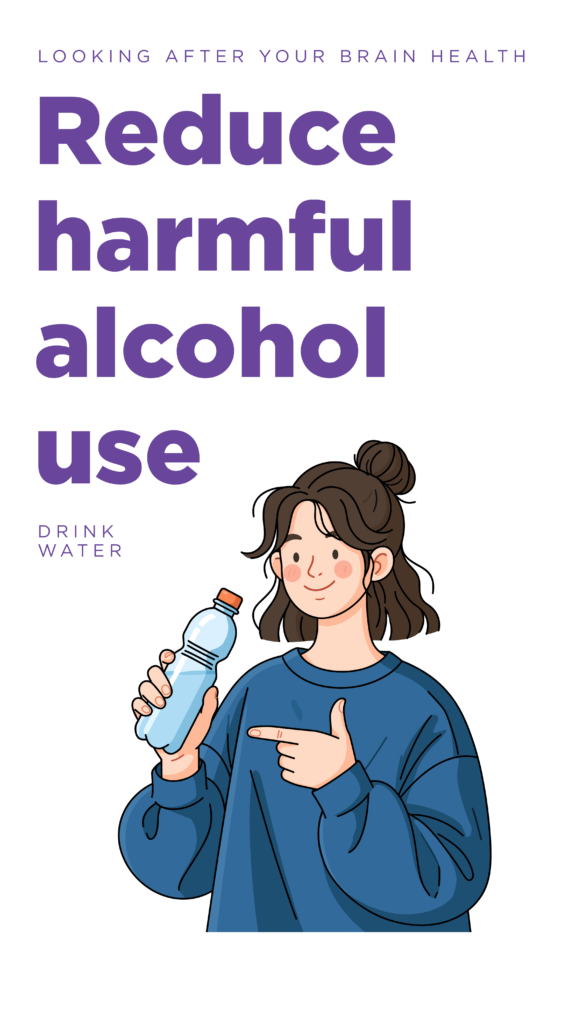
Research focused specifically on YOD has reported similar findings, highlighting the importance of cardiovascular health, social connection, hearing health and reducing harmful alcohol use (Hendriks et al., 2024).
Staying physically active, maintaining social connections, managing chronic health conditions and seeking regular healthcare are all positive steps that support overall wellbeing and may contribute to better brain health throughout life.


Hope Through Awareness
and Support
A diagnosis of YOD can be lifechanging, but it does not define a person’s future.
Early diagnosis allows people and families to understand what is happening, and access appropriate support and plan. It can also help reduce uncertainty and connect individuals with services that promote independence, wellbeing and quality of life. Although recent Australian research suggests that most people with young onset dementia are now diagnosed within 6–12 months of first presenting to a GP, previous studies reported diagnostic delays of 3.5–5 years, largely due to atypical presentations and limited awareness.
Furthermore, only 51% of caregivers believed family GP was aware of young onset dementia, highlighting the

Author:
Dr Hajar Ziaeifar, PhD, MPH
continued need for greater public and professional awareness to support earlier diagnosis and timely access to care (Tjokrowijoto et al., 2025).
In Western Australia, organisations such as The Dementia Foundation play an important role in providing education, advocacy and support for people living with dementia and their families. Building dementia friendly communities and increasing public awareness can help ensure that people affected by YOD feel understood, included and supported.
YOD may arrive earlier than expected, but with greater awareness, earlier diagnosis and stronger community support, no one has to face the journey alone, because every mind matters.