

Centre for Applied Dementia Research
Young Onset Dementia: The Palliative Care Journey
that Starts Before 65
When people hear the words palliative care, many
immediately think about the end of life. Yet for people living
with Young Onset Dementia (YOD), palliative care is not
about dying, it is about living well.
Increasingly, research shows that introducing palliative care from the time of diagnosis helps people and their families maintain quality of life, adapt to change and focus on what matters most throughout the dementia journey (Dang et al., 2024; Vandaele et al., 2025).
Living with YOD is a journey that affects the whole family.
As needs change over time, early palliative care provides practical, emotional and social support that helps people maintain independence, preserve meaningful relationships and continue living with purpose for as long as possible (Hautsalo et al., 2025;Maters et al., 2025).
Why early palliative care
supports the whole family
For people living with YOD, palliative care begins much earlier than many people
realise. Rather than being reserved for the final stages of life, growing evidence shows that introducing palliative care from the time of diagnosis helps people and their families adapt to the physical, emotional, social and practical challenges that develop throughout the dementia journey (Dang et al., 2024; Vandaele et al., 2025).
Early palliative care is centred on helping people live well. Rather than simply treating the disease, it supports people to maintain their identity, independence, meaningful relationships and participation in the activities that give life purpose. Research shows that protecting these aspects of life is closely linked to quality of life and should remain a priority from the time of diagnosis (Maters et al., 2025).
Families are central to this approach
YOD affects the entire family, meaning that palliative care extends beyond supporting the person with dementia alone. Partners, children and other family members are recognised as part of the unit of care because they are also affected by the diagnosis and play an essential role throughout the dementia journey. Involving the whole family in communication, care planning and shared decision making helps everyone adapt to changing roles, strengthens relationships and ensures that care reflects the needs, values and priorities of everyone affected by the diagnosis (Dang et al., 2024; Helvik et al., 2024; Maters et al., 2025).
YOD affects the entire family, meaning that palliative care extends beyond supporting the person with dementia alone. Partners, children and other family members are recognised as part of the unit of care because they are also affected by the diagnosis and play an essential role throughout the dementia journey.
Involving the whole family in communication, care planning and shared decision making helps everyone adapt to changing roles, strengthens relationships and ensures that care reflects the needs, values and priorities of everyone affected by the diagnosis (Dang et al., 2024; Helvik et al., 2024;
Maters et al., 2025).

Ultimately, introducing palliative care early is not about preparing people for death. it is about helping people and their families live well throughout the dementia journey. By supporting physical, emotional, social and practical wellbeing, palliative care helps people protect what matters most: dignity, meaningful relationships, independence, hope and the best possible quality of life (Dang et al., 2024; Maters et al., 2025).
As a wife, I want to know that my husband is understood as a person, not just his diagnosis. Being involved in decisions and working closely with the support team helps us honour his wishes and ensure he is receiving the right support at every stage of his dementia journey.
Mary, client’s wife
Living well means more
than staying healthy
When people hear the phrase “living well with dementia”, they often think of exercise, healthy eating or staying active. While these are important, living well is about much more than physical health.
For people with YOD, it means maintaining a sense of identity, staying connected with others and continuing to do the things that give life meaning. Research shows that maintaining purpose and meaningful relationships is closely linked to emotional wellbeing and quality of life (de Vugt & Carter, 2022; Hautsalo et al., 2025; Bannon et al., 2022).
Looking after physical health remains important, but healthy habits are valuable because they help people continue doing what matters most. Living well is also about creating opportunities for joy, maintaining meaningful relationships and continuing to contribute in ways that feel purposeful.
Whether it is sharing a meal with family, enjoying a favourite hobby, spending time outdoors, remaining involved in work or volunteering, or simply laughing with friends, these everyday experiences help preserve identity, strengthen relationships and maintain a sense of purpose and belonging (Bannon et al., 2022; Hautsalo et al., 2025; Smeets et al., 2024; Maters et al., 2025).
This reflects the philosophy of palliative care, which goes beyond treating the disease to support the whole person, helping people maintain purpose, independence and the best possible quality of life throughout their journey (Dang et al., 2024).



Adjusting Takes Time
Adjusting to YOD is a shared family journey, rather than something that should be managed only around the person who has received the diagnosis. Partners, children and other family members should be included in conversations about changing needs, everyday routines, care decisions and future planning.
Sharing responsibilities, communicating openly and recognising the emotional and practical
needs of each family member can help prevent one person from carrying the entire burden alone. Evidence shows that families often feel unprepared for changing roles and may experience isolation and powerlessness when support is limited, highlighting the importance of early guidance, shared decision making and family centred support (Aspö et al., 2023; Bannon et al., 2022; Chirico et al., 2022).
Seeking support is not a sign of
losing independence
Support allows people living with YOD
to continue living well throughout the journey.
Many families feel they should manage on their own. However, seeking support is not a sign of losing independence. Early access to dementia services, support groups and palliative care can provide practical guidance, emotional support and strategies that help families navigate changing roles with greater confidence (Tan et al., 2019; Chirico et al., 2022; Dang et al., 2024).
In Australia, support is available, and families do not have to navigate the journey alone.
A good place to start is by speaking with your GP or specialist, who can help coordinate referrals to dementia services, allied health professionals and palliative care. Organisations such as the Dementia Foundation and other community support services can also provide information, education and practical guidance to help individuals and families understand their options and access appropriate support early (Tan et al., 2019; Dang et al., 2024).
Seeking support allows people living with YOD and their families to build the knowledge, skills and confidence needed to continue living well throughout the journey.
Looking after your health: small steps that can make a difference
Although there is no cure for YOD, there are practical steps that can help people maintain their health, independence and quality of life. While these strategies cannot stop dementia, they may support physical function, overall wellbeing and continued participation in meaningful activities (Cations et al., 2016; de Vugt & Carter, 2022).
Walking, swimming, gardening or dancing can help maintain physical function, improve mood and support continued participation in meaningful activities (Cations et al., 2016).
Spending time with family and friends, joining a community group or participating in enjoyable social activities can reduce isolation and support emotional wellbeing (Bannon et al., 2022; Helvik et al., 2024).
Getting enough sleep and addressing sleep problems early may improve energy, concentration and overall wellbeing (Cations et al., 2016; de Vugt & Carter, 2022).
A diet rich in vegetables, fruit, whole grains and healthy fats supports overall health and may help reduce the impact of other conditions that affect brain health (Cations et al., 2016).
Dementia services, support groups and early palliative care can help people and families manage practical and emotional challenges while maintaining quality of life (Tan et al., 2019; Dang et al., 2024)
What can influence
dementia progression?
The progression of YOD is different for everyone and may vary depending on dementia subtype and individual health factors (Gerritsen et al., 2018). Some factors cannot be changed, such as genetics or the type of dementia. However, several lifestyle and environmental factors may influence overall brain health and quality of life and should be addressed where possible (Cations et al., 2016).

Blood pressure, diabetes
and cholesterol
Have regular health checks and follow your GP’s advice to keep these conditions well managed (Cations et al., 2016; Cations et al., 2018).

Social connection
Stay involved with family, friends, community groups or peer support to reduce isolation (Helvik et al., 2024).

Depression and anxiety
Talk to your GP, psychologist or dementia support team if you notice changes in your mood or emotional wellbeing (Bannon et al., 2022).
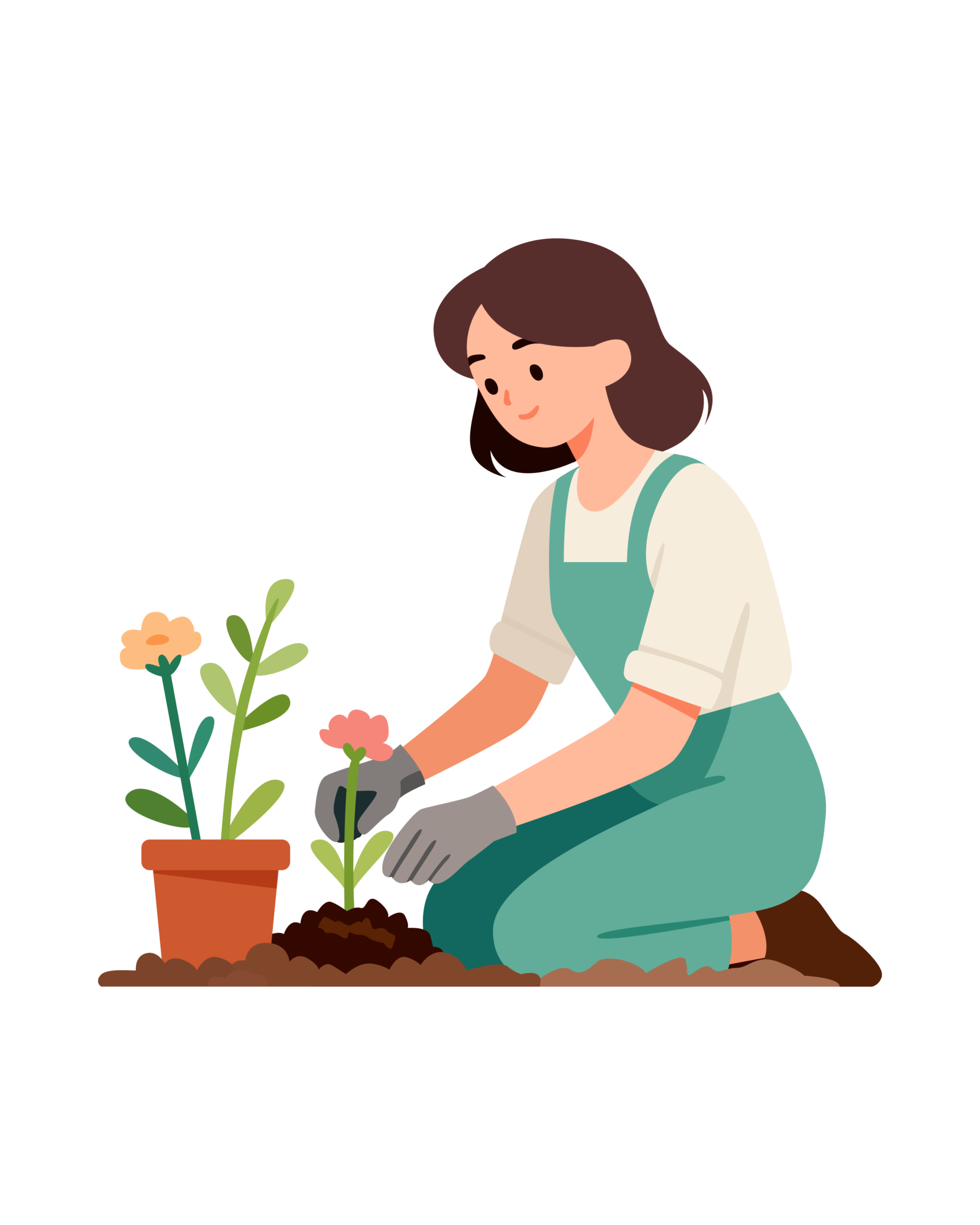
Healthy environments
Where possible, avoid smoking, reduce exposure to air pollution and protect yourself from head injuries (Bosi et al., 2022; Cations et al., 2016).
Looking after tomorrow starts today
Although not every case of YOD can be prevented, research suggests that some lifestyle and environmental factors may influence the risk of early onset dementia. Staying physically active, supporting cardiovascular and metabolic health, limiting harmful alcohol use, protecting against head injury and following a healthy dietary pattern may all support brain health across life (Bosi et al., 2022; Cations et al., 2018).
Start today!
Take a walk. Share a meal with family. Stay socially connected. Get enough sleep. Look after your heart and your mental wellbeing. These simple everyday choices support not only your physical health but also your brain health (Cations et al., 2018).

Author:
Dr Hajar Ziaeifar, PhD, MPH
If you or someone you know is living with YOD, don’t wait to seek support. Early access to dementia services and palliative care can help people and families live well throughout the journey (Dang et al., 2024).
Looking after your brain starts long before symptoms appear and the best time to begin is today because every mind matters.
Need support?
if you or someone you know is living with Young Onset Dementia, speak with your GP or specialist about available services. You can also contact The Dementia Foundation to learn more about education, support programs and resources available for people living with YOD and their families.